Iron filters for well water, compared
Iron filters are sold as though they were one product. They are not. There are four common approaches, each built for a different form of iron, and picking the wrong one buys a tank that cannot fix the thing you bought it for. The test that decides costs less than the cheapest of them.
In short
- The equipment is chosen by which form of iron you have, and a water test is what tells you. Buying before testing is how people end up with a tank that cannot fix their water.
- Air injection suits most Marion County wells because the limestone keeps pH high, which is the condition oxidation needs.
- A water softener removes small amounts of dissolved iron as a side effect and is fouled by anything more. It is not an iron filter.
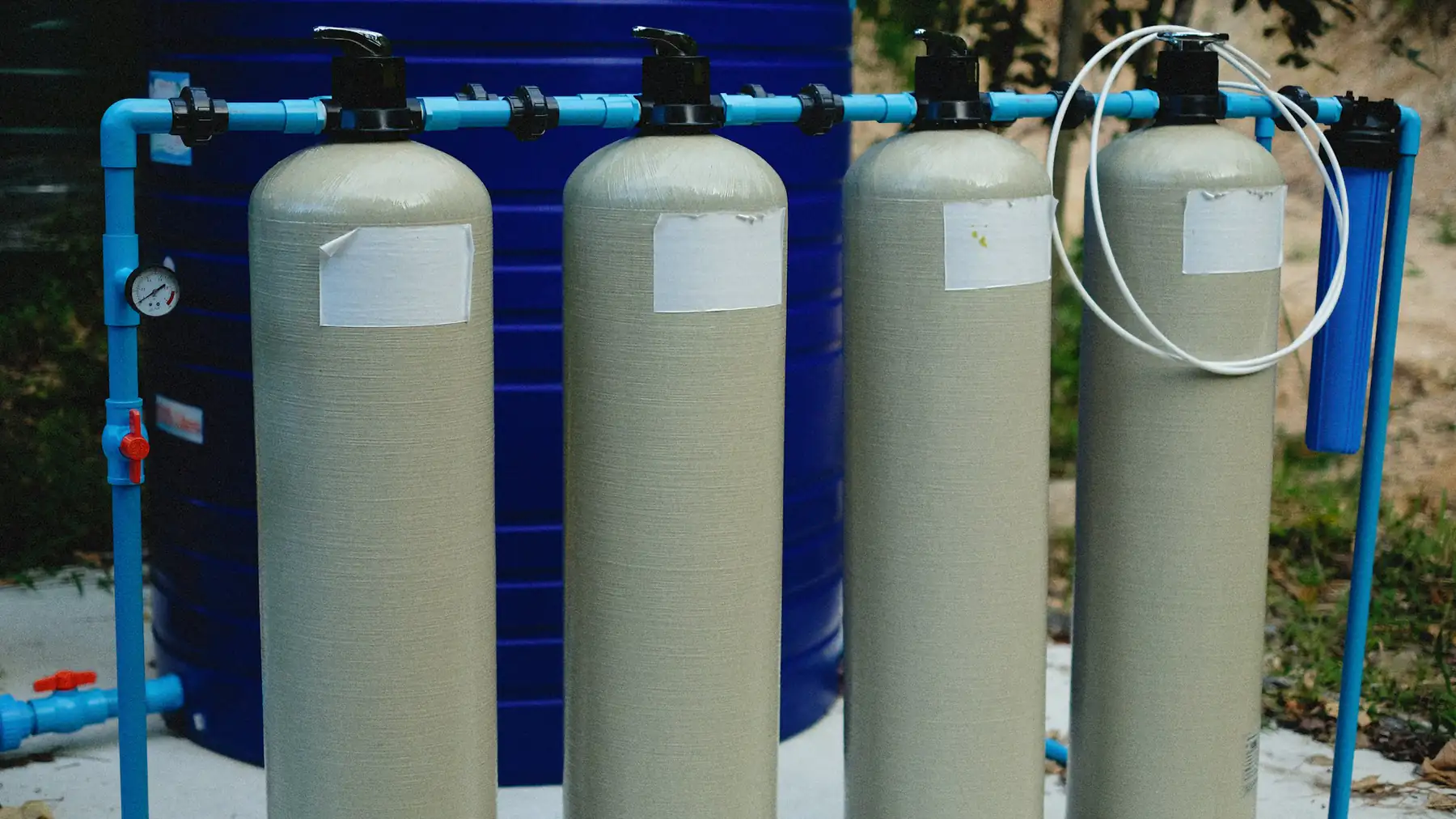
Marion County sits on the limestone of the Floridan aquifer, and that geology decides more about which equipment works here than any brochure does. The same rock that makes the water hard also keeps its pH high, and a high pH is the condition that oxidation needs to work at all. It is the reason the approach that struggles in much of the country is usually the right one here. UF/IFAS Extension Marion County, Water quality series: hard water · USGS, Water-resources information for the Withlacoochee River region
Which iron filter you need is decided by the form of iron in your water, not by how much staining you see. Dissolved iron needs oxidation before anything can catch it. Already oxidized iron needs filtration. Iron bacteria needs disinfection and no filter fixes it. Staining starts at 0.3 milligrams per liter, oxidation needs a pH above roughly 6.8, and a laboratory test at about $20 to $30 gives you both numbers for a fraction of the cost of the tank.
The four, side by side
Read the second column first. Everything else follows from whether the method can handle the iron you actually have.
| Method | Handles | Needs | Where it fails |
|---|---|---|---|
| Air injection, sometimes sold as AIO | Dissolved iron at moderate to high levels, and often sulfur smell at the same time | A pH above roughly 6.8, which Floridan aquifer water generally has | Low pH water, and iron bacteria, which it will not kill |
| Manganese greensand | Dissolved iron and manganese together | Regeneration with potassium permanganate, which you buy and handle | Households that will not keep up the chemical. A neglected bed stops working. |
| Chlorination with a retention tank | Heavy iron, iron bacteria and sulfur, all at once | A contact tank, a carbon filter afterwards, and ongoing dosing | Simplicity and running cost. This is the big hammer, not the first choice. |
| Water softener, by ion exchange | Small amounts of dissolved iron, as a side effect of softening | Hardness to be the actual problem you are solving | Anything beyond low dissolved iron. Iron fouls the resin and shortens its life. |
How much iron counts as a problem
The federal figure is 0.3 milligrams per liter. Above that, iron stains fixtures and laundry and changes how the water tastes. It is worth knowing that this is an appearance and taste threshold rather than a health one, and that the two get confused in sales conversations.
Iron sits in the EPA's secondary standards, which are a different category from the enforceable limits on things like bacteria and nitrate. The agency is explicit about what that category is for.
They are established as guidelines to assist public water systems in managing their drinking water for aesthetic considerations, such as taste, color, and odor. These contaminants are not considered to present a risk to human health at the SMCL.
US EPA, National Secondary Drinking Water Standards
US EPA, Secondary drinking water standards: guidance for nuisance chemicals · UF/IFAS Florida-Friendly Landscaping, Iron in water
So orange staining is a nuisance you are entitled to be annoyed by, and it is not evidence that your water is unsafe. The results that decide safety are bacteria and nitrate, they have no taste, color or smell, and no iron filter addresses either of them. What to test for, and how often.
The test that picks the equipment
A laboratory report naming the form and the concentration turns this page from a comparison into a decision. Ask for these four, because an installer's free in-home test usually measures hardness and little else.
- Total iron, in milligrams per liter
The number the equipment is sized against. Without it every quote is guesswork.
- Whether it is ferrous or ferric
Dissolved or already oxidized. This is the single result that chooses the method.
- pH
Oxidation slows sharply in acidic water. It decides whether air injection will work or needs help.
- Manganese, and hardness
Manganese travels with iron, stains black rather than orange, and has its own far lower threshold of 0.05 milligrams per liter. Hardness decides whether a softener belongs in the plan at all.
Fill a clear glass from a cold tap and leave it on the counter for half an hour. Clear water that turns orange as it stands is dissolved iron. Water that arrives orange is already oxidized. Reddish slime in the toilet tank is iron bacteria, and that one is a different job entirely. The full three-way test.
Where a softener stops
A softener is an ion exchange resin built to trade calcium and magnesium for sodium. Low levels of dissolved iron come out on the same exchange, which is why softener salesmen mention iron at all. That is a side effect, and it has a ceiling.
Past that ceiling the iron oxidizes inside the resin bed and coats it, the softener loses capacity, and the thing you bought to fix your water becomes a second thing to service. If a water test shows iron as the main problem and hardness as the secondary one, the iron filter goes first in the line and the softener goes after it.
Reddish slime and an oily film mean something living in the well and the plumbing. Filters strain water; they do not disinfect it. This one needs shock chlorination of the well itself, and often repeating, and selling a tank against it is either a misdiagnosis or worse.
What these cost to own
Published ranges for whole house treatment in Florida put equipment and installation well into four figures, with the media, the control valve and the plumbing work driving the number more than the brand does. The cost breakdown, with what each line covers. The Well Guide, Whole house water filter cost
The part people underestimate is the running cost, and it differs sharply by method. Air injection consumes nothing but backwash water. Greensand consumes potassium permanganate for as long as you own it. Chlorination consumes chlorine, and a carbon filter afterwards that has to be replaced. Over ten years that gap is often larger than the difference in purchase price, which is the argument for testing properly and buying the simplest thing that fits.
Whoever installs it, plumbing work on a house in unincorporated Marion County is permit territory, and the county publishes the general rule rather than a line about treatment equipment specifically. Why that answer is a phone call.
Questions
The ones people search for
What is the best iron filter for well water?
There is no single best one, and any page that names a product without asking about your water is selling rather than advising. The method is chosen by the form of iron: air injection for dissolved iron, filtration after oxidation for iron that arrives orange, chlorination for heavy iron or iron bacteria.
For most Marion County wells the answer lands on air injection, because the limestone keeps pH high and that is the condition the method needs. That is a tendency, not a diagnosis. The water test is the diagnosis.
What is the cheapest way to remove iron from well water?
If the iron is low and hardness is the real complaint, a softener you were going to buy anyway is the cheapest route, because the iron comes out on the same exchange. That only holds at low concentrations.
If iron is the main problem, the cheapest option over ten years is usually air injection rather than the lowest sticker price, because it consumes no chemicals. A cheaper tank that needs potassium permanganate every month stops being cheaper somewhere in year three.
Will a water softener remove iron from well water?
Small amounts of dissolved iron, yes, as a side effect of softening. It is not designed for it and it does not handle much.
Above low levels the iron oxidizes in the resin bed and fouls it, so the softener loses capacity and needs cleaning or replacing sooner. Where both are present, the iron filter is plumbed ahead of the softener so the softener never sees the iron.
Does an iron filter remove the rotten egg smell too?
Air injection and chlorination both address hydrogen sulfide as well as iron, which is why they are common choices on wells that have both. A softener does not, and neither does a plain sediment filter.
Before buying anything for the smell, check whether it is on the cold tap as well as the hot. Hot only is the water heater, not the well. The two-minute version of that test.
Is iron in well water bad for you?
Iron is regulated for staining and taste rather than for health, and it sits in the EPA's secondary standards, which the agency describes as non-mandatory guidance for aesthetic considerations.
The results that decide whether water is safe to drink are bacteria and nitrate, and nothing about the color of your laundry tells you either. Florida does not test private wells for you, so that schedule is yours to set.
How long does an iron filter last?
The media is the consumable and the control valve is the mechanism. Media life depends on how much iron it is asked to handle, which is another reason the initial water test matters: a unit sized against a guess runs out early.
Iron bacteria shortens everything, because the biological growth coats the media rather than being caught by it. If a filter is failing far sooner than it should, that is worth ruling out before replacing the media again.
Before you hire anyone
Calling a well contractor? Check three things first.
- 1The license. Every Florida water well contractor is licensed. Ask for the number and look it up at the state's contractor verification clearinghouse.
- 2The diagnosis before the price. A pressure switch reading, the tank's air charge and the cable readings, before anybody quotes a new pump. The six questions to ask.
- 3The permit, if a rig is coming. A new well needs one before drilling starts, and it is the contractor's job to have it. Who issues it.
Public offices, free to call
Ocala Well Water is an independent guide. It takes no calls, collects no details, and no company pays to be mentioned. How this site works.