Pump problems
Well pump not working? Check these five things, in this order
When the taps go dry, the pump is the last suspect, not the first. Four cheaper things fail more often, and you can look at two of them in five minutes with nothing but a flashlight.
In short
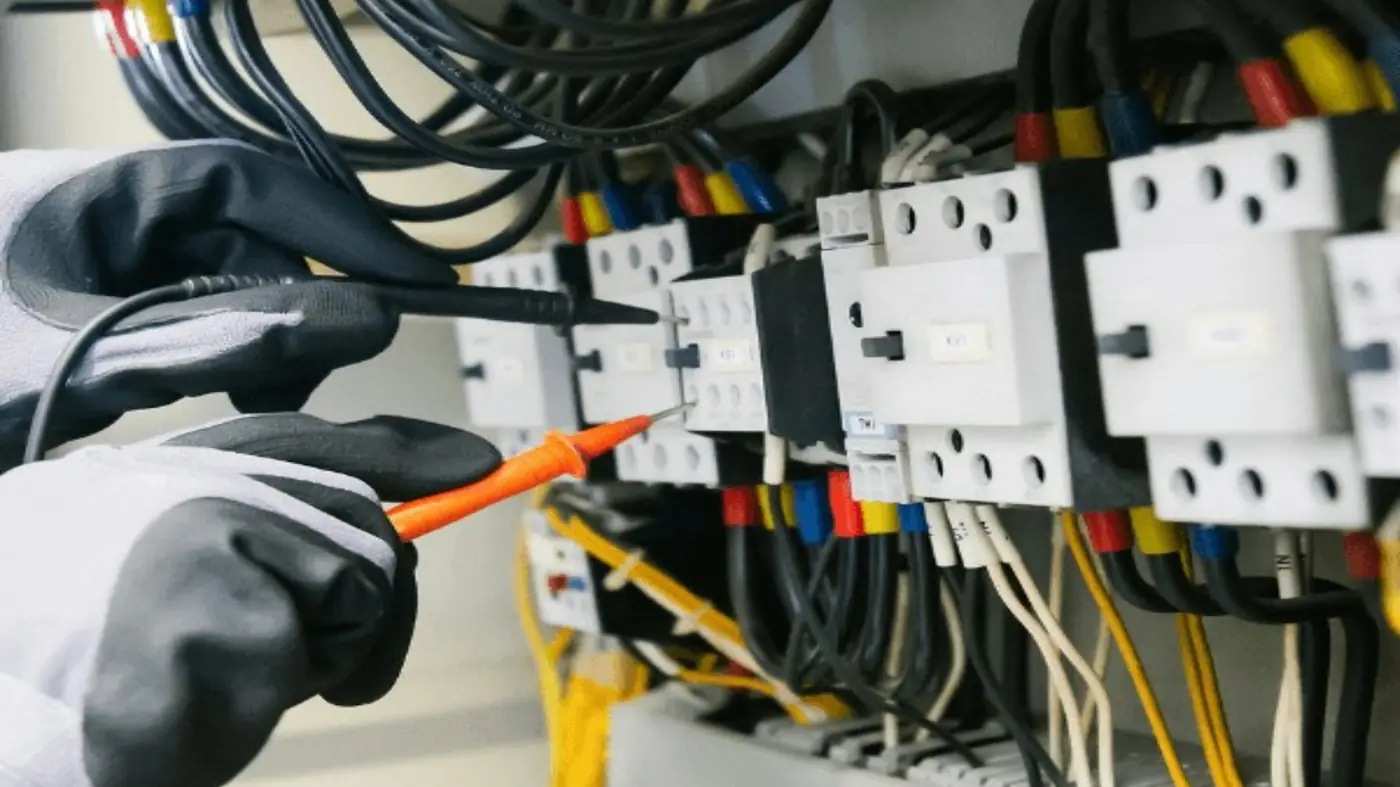
- Check the whole house first, then the breaker, the pressure switch, the tank and the control box, in that order.
- Many pressure switches have a low-pressure cutoff lever, and lifting it is often the whole fix after an outage.
- A breaker that trips again is protecting a fault. Leave it off and call a licensed well contractor.
A private well is four parts in a chain: power from your electrical panel, a pressure switch that decides when the pump runs, a pressure tank that stores water under pressure, and the pump itself, hanging in the well. When the taps go dry, any one of them can be the break. The pump is the most expensive and the least likely, and it is also the only one you cannot see.
So work up the chain from the cheap end. The first two checks need nothing but a flashlight and five minutes, and they solve a surprising share of no-water calls in Marion County, especially after a storm.
First: is it the whole house?
Open a tap in the kitchen and one in a bathroom, and an outside hose bib if you have one. If only one fixture is dry or weak, the well is fine and the problem is that fixture: a clogged aerator, a shut-off valve under the sink, or a water heater issue if it is hot water only. A well problem is a whole-house problem.
If you have a whole-house filter or softener, check its bypass valve too. A filter cartridge packed solid with iron or sediment can starve the whole house of pressure while the well behind it is working perfectly.
1. The breaker
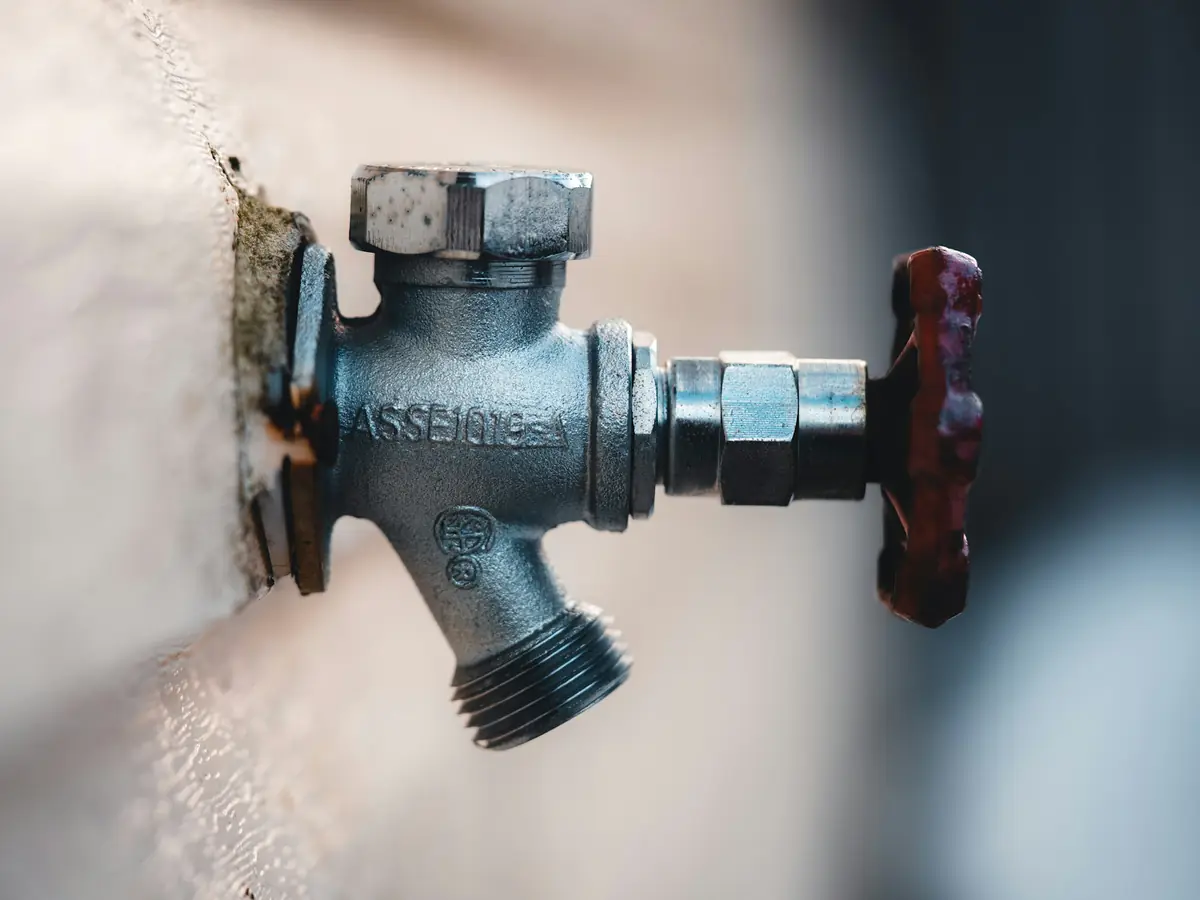
Most well pumps run on a dedicated 240-volt breaker, a double-width switch in your panel that is often labeled "well" or "pump". A storm, a surge or a brief overload can trip it. A tripped breaker sits in the middle position or visibly out of line with its neighbors.
Reset it once: push it fully off, then back on. If the pump starts and water comes back, note the date. One trip after a thunderstorm is common. Trips that recur are a message.
A breaker that trips immediately or repeatedly is protecting a fault, often a shorted motor or a damaged cable down the well. Re-energizing it again and again can turn a pump replacement into a fire. Leave it off and call a licensed well contractor.
2. The pressure switch, and the lever on its side
The pressure switch is a small gray box, usually about the size of a fist, mounted on the pipe near your pressure tank. It turns the pump on when pressure falls to the cut-in setting and off when it reaches cut-out. Common settings are 30/50 and 40/60 psi.
Many switches, including the widely used type with a low-pressure cutoff, have a short metal lever on the side. If pressure falls close to zero, because the pump ran dry, a pipe leaked or the power was out for hours, the switch cuts the pump off and stays off until somebody resets it. This is the reset button people are searching for when they ask whether a well pump has one.
- Make sure the breaker is on.
- Lift the lever to the start position and hold it there. Do not open the switch cover; there is live 240-volt wiring inside.
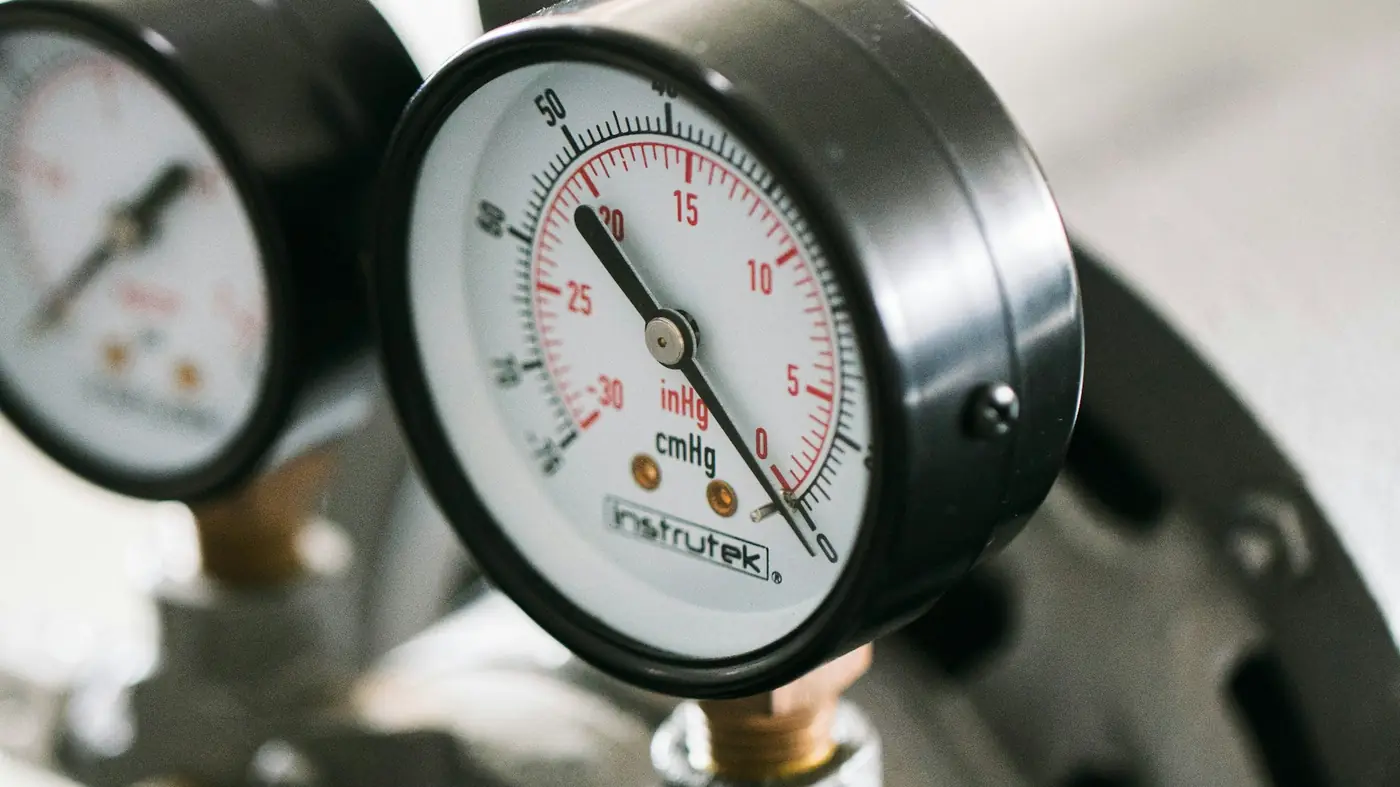
- Watch the pressure gauge. When it climbs past about 40 psi, let the lever go back to its normal position.
- The pump should keep running on its own until it reaches cut-out, then stop.
If the gauge will not climb while you hold the lever, or the switch drops out again within a day, something upstream is wrong: the pump is not delivering, the water level has fallen to the pump, or there is a leak between the well and the house. That is the point to call somebody.
This is the most common Florida version of "no water". The power was off long enough for the household to drain the tank to near zero, the low-pressure cutoff tripped, and when power came back the pump did not. One lift of the lever is often the whole repair.
3. The pressure tank
If the pump runs but pressure is weak, fades after a minute, or the pump clicks on and off every few seconds, the tank is the prime suspect. A healthy tank holds a cushion of air above a rubber bladder. When the bladder fails, the tank fills with water, the cushion disappears, and the pump starts and stops constantly. That pattern is called short cycling, and it is what kills pumps.
Knock on the tank from top to bottom. A healthy tank sounds hollow near the top. A waterlogged one thuds solidly all the way up. The full test, with a tire gauge, is in the short cycling article, and what a new tank costs is in the pressure tank cost guide.
4. The control box, if you have one
Some submersible pumps are "three-wire" pumps, and they need a control box, usually a small gray or green metal box on the wall near the tank or the panel. It holds the start capacitor and relay that get the motor turning. Two-wire pumps have these parts built into the motor and have no box.
Control box parts fail, and lightning surges are hard on them. A pump that hums or trips the breaker at start, or a box that smells burnt, points here. This is a contractor repair, but a much cheaper one than a pump, and a good contractor tests it before quoting anything that involves a rig.
5. The pump itself
Only after those four does the pump become the likely answer. The symptoms that genuinely point down the well are a breaker that trips the instant the pump starts, a motor that draws current but delivers no water, and a gradual loss of pressure over weeks that no tank or switch adjustment fixes.
A contractor can confirm most of this from the surface. Resistance and insulation readings on the drop cable separate a dead motor from a damaged wire without pulling anything. Ask for those readings. In Marion County the median well is 105 feet deep, so pulling a pump is a rig job, and it should be the conclusion of a diagnosis rather than the start of one. Well depths: Florida Well Data, Marion County well records
The whole chain on one table
| What you see | Most likely | Who fixes it |
|---|---|---|
| One tap dry | That fixture, not the well | You, or a plumber |
| Nothing anywhere, breaker tripped | A surge or a one-off overload | You, once. A contractor if it trips again. |
| Nothing, gauge near zero, breaker on | Low-pressure cutoff on the switch | You, with the lever |
| Pump clicks on and off | Waterlogged pressure tank | You can check it; tank swaps are usually a contractor job |
| Pump hums, will not start | Control box capacitor or relay | Licensed well contractor |
| Breaker trips the instant it starts | Shorted motor or damaged cable | Licensed well contractor |
What is different about a Florida well
Two things push Marion County pumps off line more than the national guides admit. The first is lightning: Central Florida has long been called the lightning capital of the United States, and a submersible pump is a long copper cable into wet ground. How storms damage pumps and what an arrestor does. The second is iron. Iron and scale can clog the small pipe fitting under the pressure switch, so the switch misreads the pressure. Cleaning it is a small repair that looks, from the kitchen, exactly like a big one.
National Weather Service Melbourne, Lightning information
If you have been through all five and the taps are still dry, you have done the diagnosis a good contractor would start with, and you can tell them exactly what you found. The six questions to ask before you agree to a new pump are the next step.
Questions people ask
Does a well pump have a reset button?
The pump itself usually does not, but many pressure switches have a low-pressure cutoff with a reset lever on the side. If pressure drops close to zero, the switch shuts the pump off and waits. Lifting and holding the lever until the gauge passes about 40 psi restarts it. Your breaker is the other reset, and some control boxes have an overload button.
Why is there no power to my well pump?
In order of likelihood: a tripped breaker, a pressure switch that has cut out on low pressure, burnt contacts inside the switch, or a failed control box on a three-wire pump. Wiring damage from lightning is less common but real in Central Florida. Anything past the breaker and the lever involves live 240-volt wiring and belongs to a licensed contractor.
What would cause a well pump to not kick on?
The pump only runs when the pressure switch tells it to. If pressure has fallen and the pump still does not start, the switch has either tripped its low-pressure cutoff, has worn or pitted contacts, or its sensing tube is clogged with iron or scale. If the switch is closing and the pump still does nothing, the fault is the control box, the cable or the motor.
How do I know if my well pump is bad and not the switch or tank?
Rule out the cheap parts first. If the breaker holds, the switch closes, the tank has its air charge and the pump still delivers little or no water, the pump or the cable is the likely fault. A contractor can confirm it with resistance and insulation readings at the surface before anything is pulled.
More for Marion County well owners

Before you hire anyone
Calling a well contractor? Check three things first.
- 1The license. Every Florida water well contractor is licensed. Ask for the number and look it up at the state's contractor verification clearinghouse.
- 2The diagnosis before the price. A pressure switch reading, the tank's air charge and the cable readings, before anybody quotes a new pump. The six questions to ask.
- 3The permit, if a rig is coming. A new well needs one before drilling starts, and it is the contractor's job to have it. Who issues it.
Public offices, free to call
Ocala Well Water is an independent guide. It takes no calls, collects no details, and no company pays to be mentioned. How this site works.