Do you need a permit to install a water softener in Florida?
Almost every page answering this is written by somebody selling softeners, and they all answer it for a different county. Here is what Marion County actually publishes, what it does not, and the one phone call that settles it for your address in about four minutes.
In short
- Marion County requires a permit to install, alter or replace any plumbing system covered by the codes, and a softener is plumbed into that system.
- The county does not name softeners specifically, so confirm for your address with Building Safety on 352-438-2400.
- If an installer says no permit is needed, ask them to put that on the quote.
The short answer
Very probably yes, and you should confirm it for your own address before anybody cuts into your plumbing.
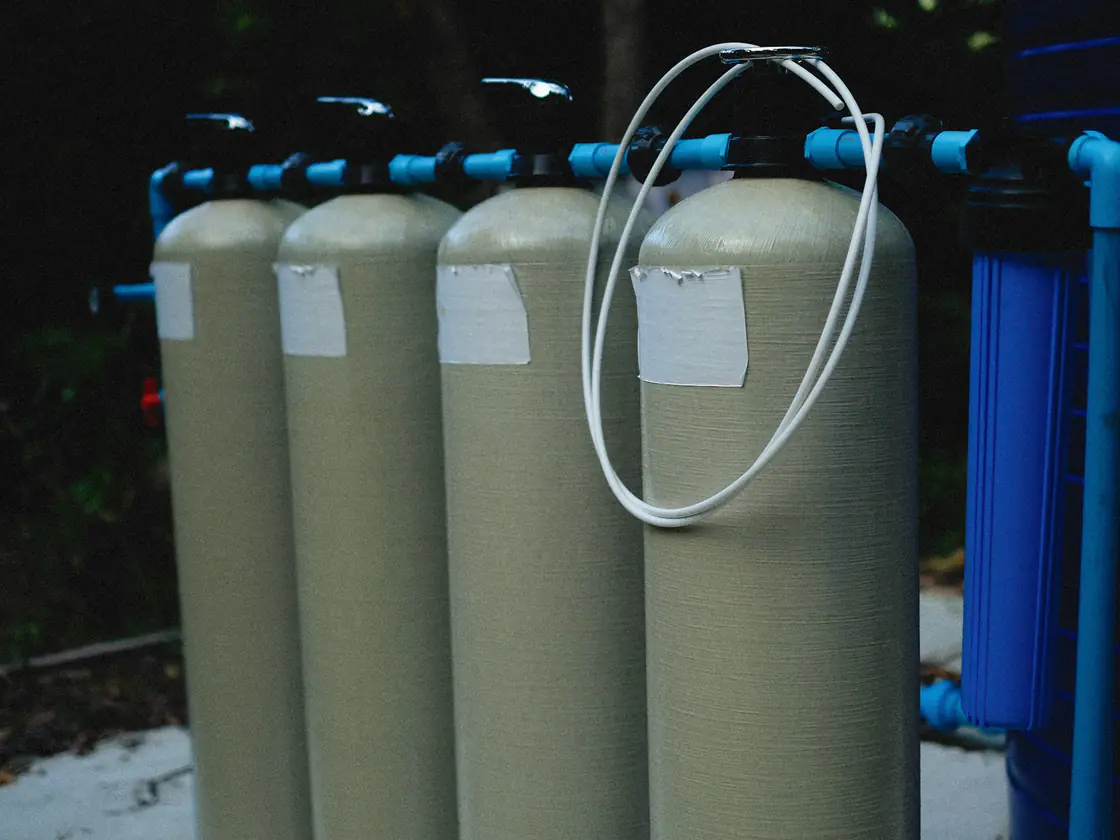
Marion County publishes the general rule clearly: a permit is required for the erection, installation, enlargement, alteration, repair, removal or replacement of any plumbing system regulated by the technical codes. A water softener is plumbed into that system, usually with a bypass loop and a drain line, so on the plain reading of the rule it is covered.
What the county does not publish is a line that names softeners specifically. That gap is the entire reason this question keeps getting asked, and it is why this page will not pretend to more certainty than the source supports.
Marion County Building Safety, Permitting FAQs
The reading above is ours, from the general permitting rule. We have not obtained a statement from Marion County Building Safety confirming that it applies to a residential water softener specifically, and until we have, this page will keep saying so.
If you call and get a definitive answer, it would genuinely improve this page. The about page explains how corrections are handled.
The call that settles it
Four minutes, and you will get a real answer for your parcel rather than a general one for the state.
-
Give them your address first
It decides whether you are dealing with the county at all. Inside Ocala, Belleview or Dunnellon city limits the permit may be the city's, and that is a different office and a different fee.
-
"I am having a water softener installed on a private well. Does that need a plumbing permit?"
Say softener rather than water treatment, and say private well. Both change the answer in some jurisdictions, and precision here saves a second call.
-
"Does the contractor pull it, or do I?"
A licensed plumber normally pulls it as part of the job. A homeowner permit is usually available too, and the answer affects what you should be paying for.
-
"Is there an inspection, and at what stage?"
This is the question that protects you. If there is an inspection and the installer skipped the permit, the problem surfaces when you sell the house, not when they are still in your driveway.
Why this matters more than the fee
The permit itself is a minor cost. What it buys you is a record and an inspection, and both of those matter later.
- Selling the house. Unpermitted plumbing alterations turn up in a title or inspection search at the least convenient possible moment, and resolving them retroactively is far more expensive than the original permit.
- Cross-connection and drain rules. A softener discharges brine during regeneration, and where that discharge goes is exactly the kind of thing plumbing codes exist to govern, particularly on a property with a septic system. An inspection is somebody checking that for you.
- It tells you about the installer. A company that routinely skips permits on work that needs them is telling you how it handles everything else you cannot see.
It may well be true. It is also the single most common thing said by somebody who does not want to wait for one. If an installer tells you no permit is needed, ask them to put it on the quote, then make the four-minute call anyway.
If you are on a septic system
A softener's regeneration cycle discharges salty backwash, and where that goes matters more when the house is on a septic system rather than a sewer. This is a question worth raising with both the plumbing office and the health department, and it is another reason the installation is not simply an appliance swap.
The health department's Environmental Public Health line is 352-622-7744.
Before you buy the softener at all
Worth checking that a softener is the right machine. It treats hardness. It does not remove the rotten egg smell and it only tolerates low levels of iron before the resin fouls. Which of the three problems you actually have.
Questions
The ones people search for
Do you need a permit to install a water softener in Florida?
There is no single statewide answer, because plumbing permits are issued locally. What is consistent is the shape of the rule: jurisdictions require a permit for alterations to a plumbing system, and a softener is an alteration to a plumbing system.
Marion County publishes exactly that general requirement without naming softeners specifically, so the county's own permitting line is the authoritative answer for a Marion County address: 352-438-2400.
Do you need a license to install water softeners?
Installing one means working on the potable water plumbing of a home, which is licensed plumbing work in Florida. That is separate from the water well contractor license, which covers work on the well itself.
So the two licenses answer different questions. Ask a softener installer about plumbing licensing, and ask about well contractor licensing only if they are also proposing to touch the well.
What happens if a softener was installed without a permit?
Usually nothing at all until you sell, refinance, or make an insurance claim involving water damage. At that point an unpermitted plumbing alteration becomes a problem to resolve retroactively, which typically costs considerably more than the permit would have.
If you have inherited one with the house, the building office can tell you what, if anything, is worth doing about it. Asking is free and does not trigger anything.
Does a whole house filter need a permit as well?
The same reasoning applies. It is plumbed into the water system, so the general rule about altering a plumbing system covers it on a plain reading.
Ask about the specific equipment when you call, because a point-of-use cartridge under one sink and a multi-tank treatment train in the garage are not obviously the same thing to a code official.
Do I need a permit if I am replacing an existing softener?
Marion County's published rule lists replacement alongside installation, which suggests yes. This is a good example of why the phone call beats a website: swapping a unit into existing connections and re-plumbing a new loop are different jobs, and only the county can tell you where its line sits.
Before you hire anyone
Calling a well contractor? Check three things first.
- 1The license. Every Florida water well contractor is licensed. Ask for the number and look it up at the state's contractor verification clearinghouse.
- 2The diagnosis before the price. A pressure switch reading, the tank's air charge and the cable readings, before anybody quotes a new pump. The six questions to ask.
- 3The permit, if a rig is coming. A new well needs one before drilling starts, and it is the contractor's job to have it. Who issues it.
Public offices, free to call
Ocala Well Water is an independent guide. It takes no calls, collects no details, and no company pays to be mentioned. How this site works.