Pump problems
Lightning and your well pump: a Central Florida problem
A submersible pump hangs at the bottom of a steel or plastic pipe with a long copper cable running up to your panel. In the part of the country with the most lightning casualties, that is worth some thought.
In short
- A nearby strike can send a surge down the wiring and damage the motor, the pressure switch or the control box.
- A properly grounded surge arrestor and a whole-house surge protector help, but nothing protects against a direct strike.
- Lightning is a commonly covered insurance peril, so keep the damaged parts and get a written diagnosis.
A submersible well pump is an electric motor hanging a hundred feet or so down a well, connected to your house by a long copper cable and sitting in water. In most of the country that arrangement never gives lightning a second thought. Central Florida is not most of the country.
Why this is a Florida problem
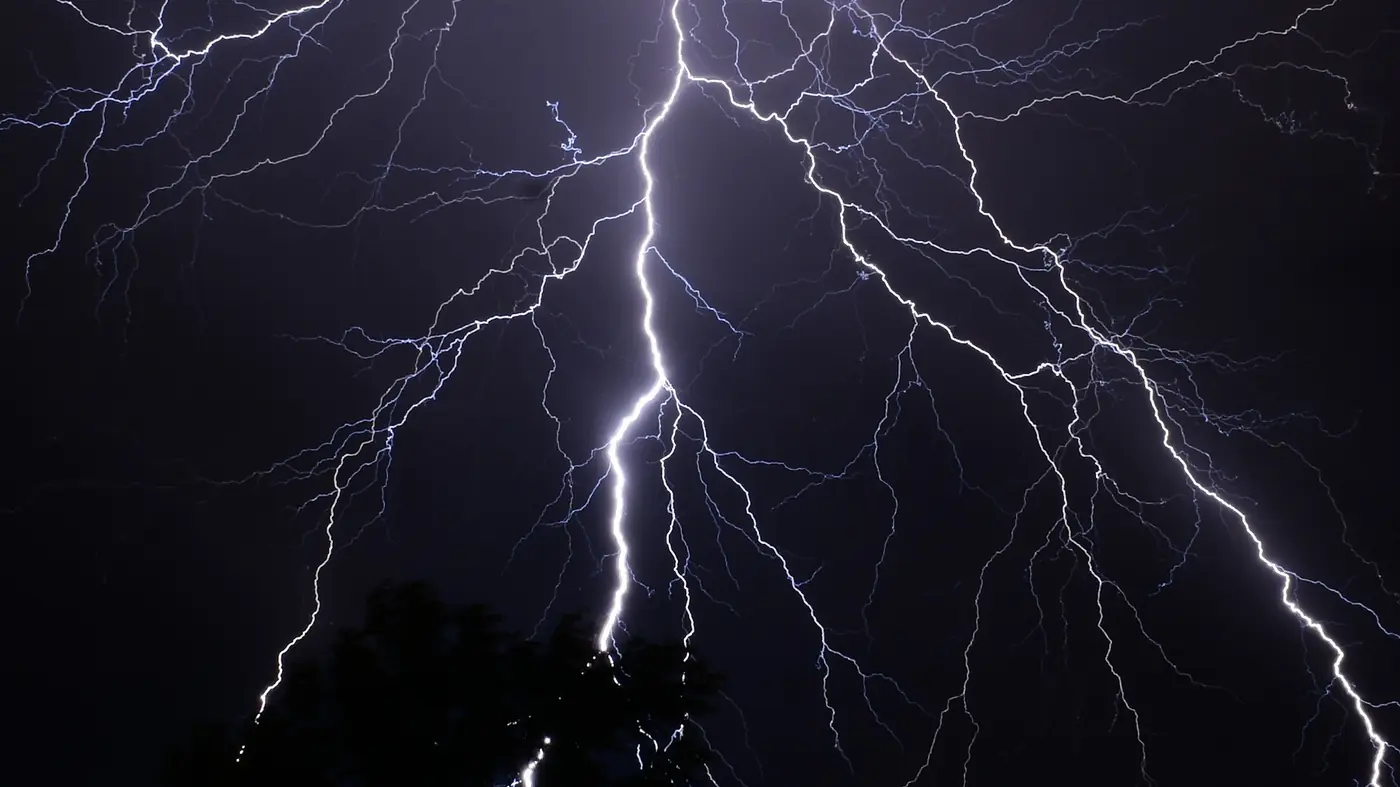
The National Weather Service office that covers east Central Florida describes the region as the lightning capital of the United States, and notes that Florida has the highest number of lightning casualties of any state, with lightning responsible for more weather-related deaths in Florida than all other weather hazards combined. Marion County is in the middle of that belt, and its summer afternoons are built around thunderstorms.
National Weather Service Melbourne, Lightning information
A well does not need to be struck to be damaged. A strike nearby, on a power line or in the ground, can send a surge along the wiring and down the drop cable to the motor. The pump is the far end of a long antenna.
What a surge actually damages
Franklin Electric, one of the largest submersible motor makers, sells surge arrestors specifically to protect submersible motors from commonly occurring high voltage spikes, which it says can damage the motor insulation system and cause motor winding failure. The same page is candid about the limit: no surge protection will save a motor from a direct strike.
Franklin Electric, Surge arrestor for submersible motors
In practice, storm damage shows up in a few places, and not always in the motor:
- The pressure switch. Contacts welded or burnt, so the pump will not start or will not stop.
- The control box, on three-wire pumps. The capacitor and relay are sensitive, and a failed box makes a healthy pump hum without starting.
- The breaker. Tripped by the surge, sometimes the only casualty.
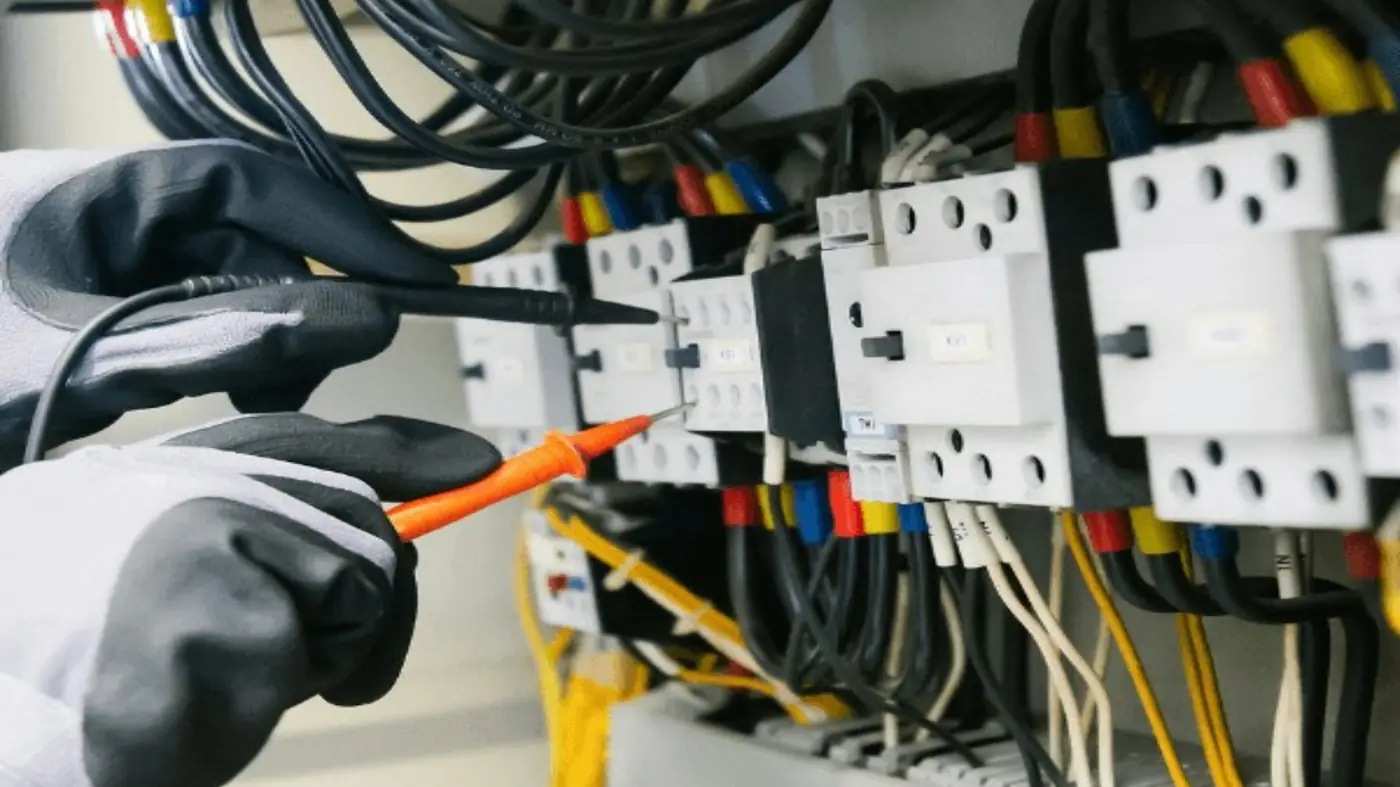
- The motor windings or the drop cable. The expensive end, usually confirmed by insulation readings from the surface.
Weakened insulation does not always fail the same day. A pump that struggles or trips its breaker a few weeks after a close strike may be showing the damage late.
After a storm: what to check
- The breaker. Reset it once. If it trips again, leave it off; that is a fault, not bad luck.
- The pressure switch. If pressure is near zero, the low-pressure cutoff may have tripped during an outage. The reset lever is often the whole repair.
- Smell and sound. A burnt smell at the switch or control box, or a pump that hums without starting, points at electrical damage near the surface.
- Write it down. The date of the storm, what you noticed and when. If this becomes an insurance claim, that record matters.
The full troubleshooting order, with a table of symptoms, is in the pump not working article.
Protecting the pump
There are two layers, and they do different jobs.
- A surge or lightning arrestor for the pump circuit. Installed at the pump's disconnect or control box and grounded properly, it gives a surge a path to ground before it reaches the motor. Manufacturers are specific that grounding is what makes an arrestor work, so this is a job for a licensed well contractor or electrician rather than a weekend.
- A whole-house surge protective device at the main panel. It protects every circuit, including the well, from surges arriving on the utility lines.
Neither stops a direct strike, and both are cheap next to a pump pulled out of a 105 foot well. If you are having any electrical work done on the well, ask whether an arrestor is fitted and grounded. If it is not, that is the moment to add one.
Median Marion County well depth: Florida Well Data, Marion County well records
Will insurance pay?
Possibly, which is more than can be said for most well pump failures. Lightning is among the perils homeowners policies commonly cover, while mechanical or electrical breakdown and ordinary wear are commonly excluded. That makes the cause of the failure the whole question, and a contractor's written diagnosis naming storm damage the most useful document you can have.
Policygenius, Does home insurance cover well pump repair?
Keep the damaged parts until your insurer says you can dispose of them. What homeowners insurance does and does not cover on a well.
Questions people ask
Can lightning damage a well pump?
Yes. A nearby strike can send a voltage surge down the wiring to a submersible motor, damaging its insulation and windings, and can burn out the pressure switch or control box on the way. Central Florida's lightning density makes this a real risk rather than a rare one.
Does a surge protector protect a well pump?
A properly grounded surge or lightning arrestor on the pump circuit protects against common voltage spikes, and a whole-house surge protector at the panel adds a second layer. Manufacturers are clear that no surge device protects a motor from a direct strike.
How do I know if lightning hit my well pump?
Suspect it if the pump stopped during or just after a storm and the breaker trips on reset, the pressure switch or control box smells burnt, or the pump hums without starting. A licensed contractor can take insulation and resistance readings to confirm damage to the motor or cable without pulling the pump.
Is lightning damage to a well pump covered by insurance?
Often, because lightning is a commonly covered peril, while wear and mechanical breakdown are commonly excluded. Coverage depends on your policy wording, so ask your insurer what evidence they need, and keep the damaged parts and the contractor's written diagnosis.
More for Marion County well owners
Before you hire anyone
Calling a well contractor? Check three things first.
- 1The license. Every Florida water well contractor is licensed. Ask for the number and look it up at the state's contractor verification clearinghouse.
- 2The diagnosis before the price. A pressure switch reading, the tank's air charge and the cable readings, before anybody quotes a new pump. The six questions to ask.
- 3The permit, if a rig is coming. A new well needs one before drilling starts, and it is the contractor's job to have it. Who issues it.
Public offices, free to call
Ocala Well Water is an independent guide. It takes no calls, collects no details, and no company pays to be mentioned. How this site works.